 TEXTILES.ORG




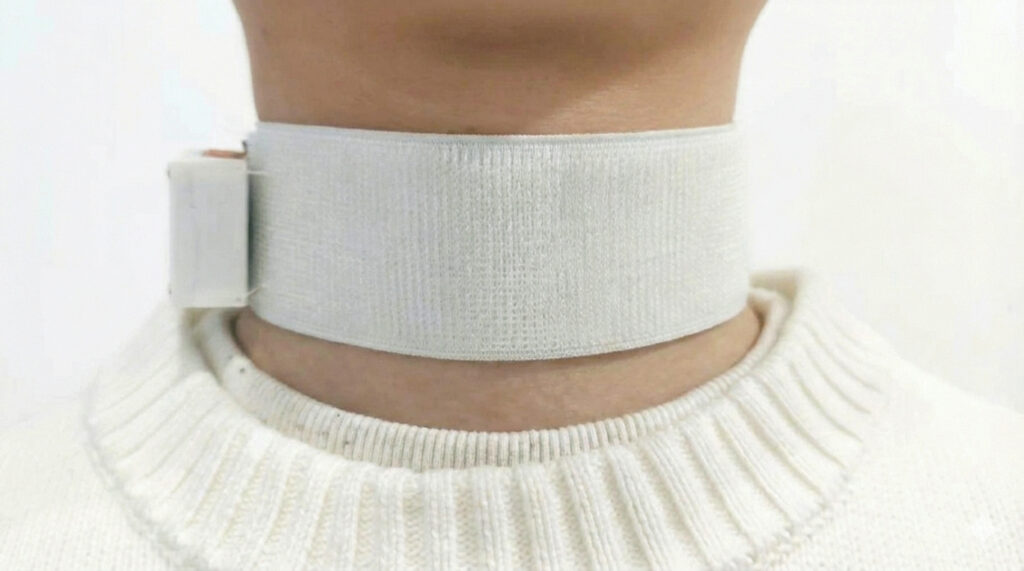
Researchers at the University of Cambridge have developed a soft, washable choker that could help patients with post-stroke speech impairments regain the ability to communicate, providing an alternative to invasive devices such as brain implants.
The Revoice device uses sensors and artificial intelligence (AI) to analyze biological signals and other information in real time to produce full, fluent sentences.
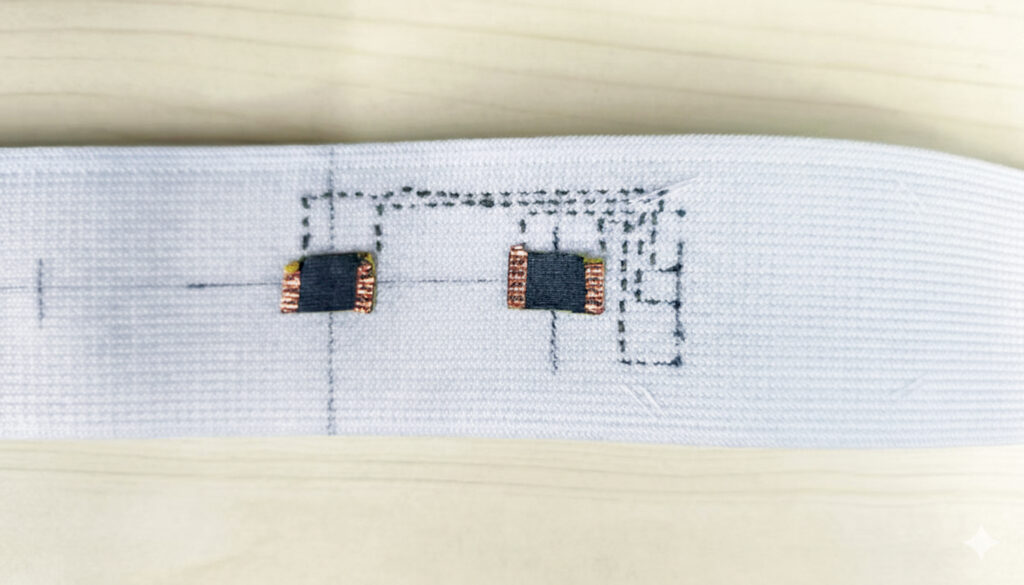
The sensors capture throat vibrations to detect speech signals and the wearer’s heart rate to determine emotional states. Two AI agents interpret fragments of silently mouthed speech and contextual information, such as the time of day or weather conditions. The device also features an embedded lightweight large language model (LLM) that predicts full sentences.
The researchers conducted a small trial study in collaboration with colleagues in China. They studied five patients who had dysarthria, a common post-stroke speech impairment. Participants wore the Revoice device and mouthed short phrases, nodding twice afterward to initiate speech production via the LLM. The device was able to produce full sentences from their mouthed phrases, with low word and sentence error rates.
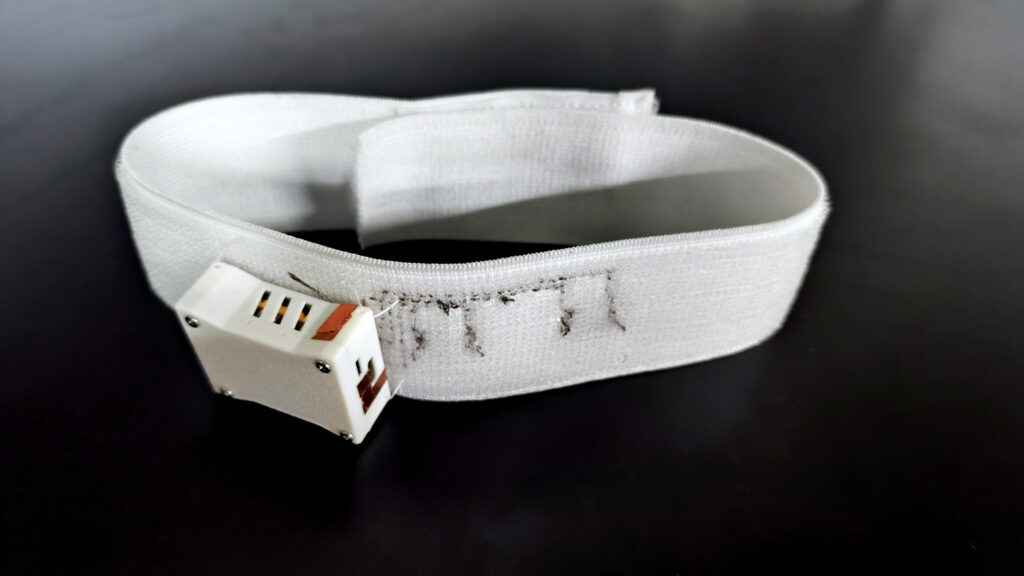
Another study will be conducted to assess the device that researchers plan to launch this year. In the future, they hope to incorporate multilingual capabilities and expand the system’s ability to recognize emotional states.
This research was published in the journal Nature Communications in January.