 TEXTILES.ORG





will not degrade into microplastics. Image: Danit Peleg/Alva
The next step in Danit Peleg’s 10-year journey to create 3D-printed fashion on demand just passed its biggest hurdle yet: being able to create soft, wearable garments at scale using no plastics.
The project brings together AI, digital design, biomaterials, pattern-making and 3D printing into one connected system for fashion production with no waste or overproduction.
“There was no way to print but with plastics, so I started looking for better materials — ones that are bio-based that have zero microplastics,” she says. “Then I found this amazing raw material. … I knew I was onto something special.”
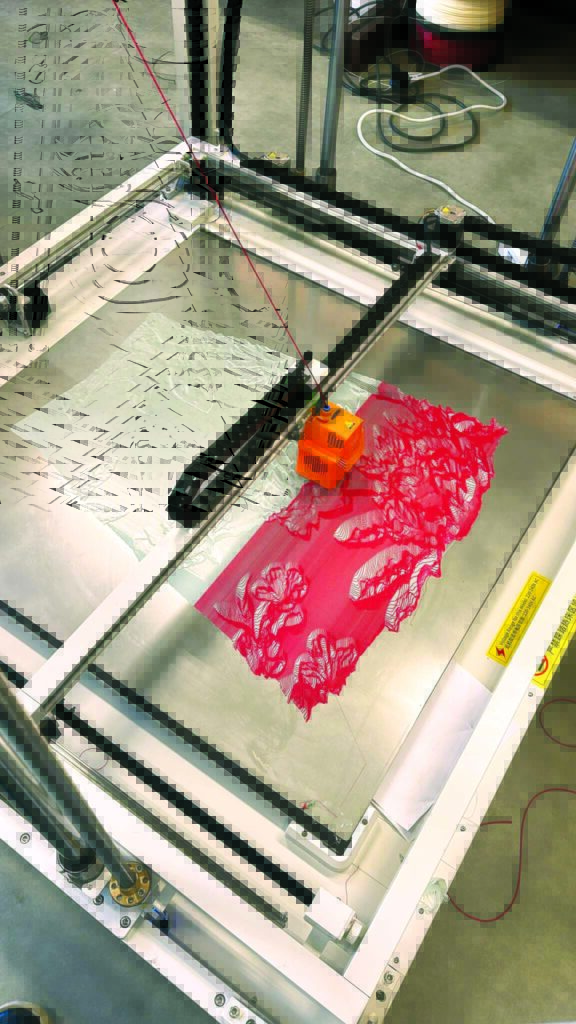
The printed clothing is made of algae, hemp and castor oil and will not break down into microplastics at the end of its life. Developer colorFabb translated Algenesis Labs’ Soleic® material, a plant-oil-based TPU, into the printable filament to create the garments. She compares its feel of the fabric to “super mesh fabrics.”
Peleg created the computer software workflow to turn patterns into 3D-printable pieces. “The garments are digital files, so I can literally text you a jacket made to your size,” she says.
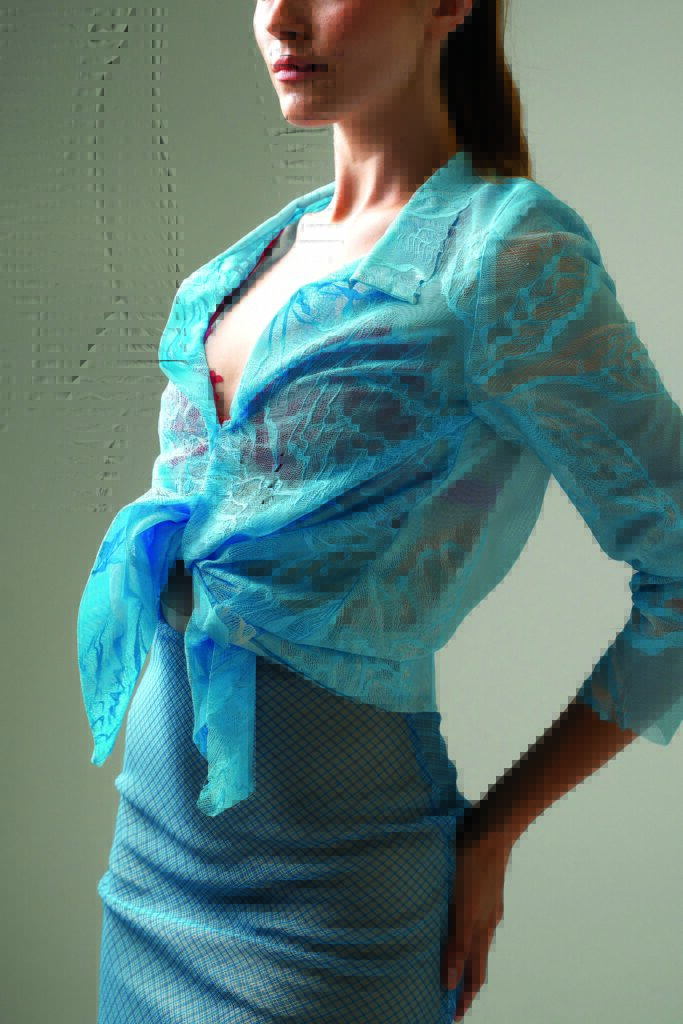
She presented her innovations in 3D-printed fashion at Config 2026 in San Francisco, which took place in late June.
Forbes has recognized Peleg as one of Europe’s Top Women in Tech; she was named as one of 100 influential women from around the world by the BBC; and her work has been featured on global stages including TED, SXSW and the Rio Paralympics Opening Ceremony.
Check out cutting-edge research, projects and art in the Swatches section of Specialty Fabrics Review each month.
Want to read Specialty Fabrics Review articles from previous months? You can as a member of Advanced Textiles Association!