 TEXTILES.ORG




As NASA prepared to return to the moon for the Artemis II fly-by and Artemis III’s landing on the South Pole by 2028, researchers and engineers explored the best textile options for spacesuits and boots for use in long-term missions Artemis IV and V. Fabrics must be able to withstand sharp lunar dust and extreme temperatures.
Materials testing for Artemis suits
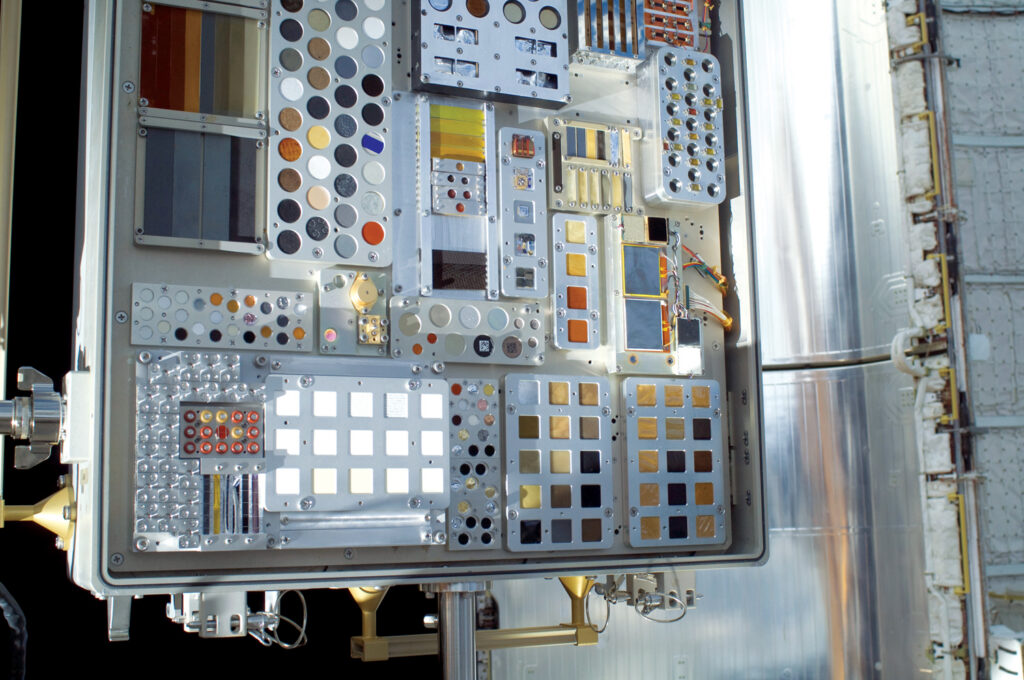
For long-duration moon missions, NASA astronauts need a new suit—and new fabric options—that can function in conditions difficult to test here on Earth.
Advanced Textiles Association hosted a webinar earlier this year where Bobby Jones, lead technical engineer and spacesuit subject matter expert, and Stephanie Rodgers-Ahnen, senior subject matter textile engineer, discussed their work at NASA’s Advanced Suit Group.
Jones and Rodgers-Ahnen are currently working on the Artemis Suit Material Project, which aims to develop a new outer shell fabric for a lunar environmental protection garment to be used in future Artemis space missions. So far, they have developed a lunar fabric test procedure, tested more than 50 uncoated/coated commercial fabrics and developed a set of requirements for fibers. They say it is likely that more than one fabric solution will be needed.
Right now, they are working with vendors and identifying fibers and coatings of interest. Fibers of interest include liquid crystal polymer, aramid and PTFE, among others. Coatings of interest for abrasion, UV, electrostatic discharge, dust mitigation and flame resistance include polyamide films, fluoropolymer films, cryogenic epoxy resin and needle-punched nonwovens.
In fiscal years 2026 and 2027, fabrics will be validated in subassembly tests in various lunar-like conditions, moving from the development phase to the testing phase.