 TEXTILES.ORG




What happens to an owner’s company when they retire and no successor is available to take the reins? The answer might be all around them—on the shop floor, among the sales staff or within human resources, finance and legal departments.
Through an Employee Stock Ownership Plan (ESOP), business owners can turn over their companies to their employees.
How ESOPs work
An ESOP is a unique ownership structure that enables a relatively easy and seamless transition for a retiring owner and a long-term benefit for the company’s employees. It is a retirement plan that gives workers ownership interest in the company in the form of shares of stock. Plans differ, but companies generally contribute stock to the plan, they establish a trust for employees to buy shares or the plan borrows money to purchase shares. In some plans, the company is 100% employee-owned; in other plans, employee ownership is a percentage of the company.
While companies receive tax benefits for setting up ESOPs, establishing them costs money—including legal fees and the cost of the stock. According to the National Center for Employee Ownership (NCEO), the minimum cost to set up an ESOP is likely to be $125,000. However, an ESOP costs employees nothing.
ESOPs might not work for all companies. “It has to be the right size company,” says Kathy Terry, vice president of finance at Lawrence Fabric & Metal Structures in St. Louis, Mo. She helped establish the ESOP accounting and administration for the company after Lawrence became employee-owned. “There’s a cost associated to it, both at the onset as well as an annual ongoing expense, so the company has to be doing well enough to be able to buy the shares back from retirees and then reallocate them out to the current employees.”
Why ESOPs?
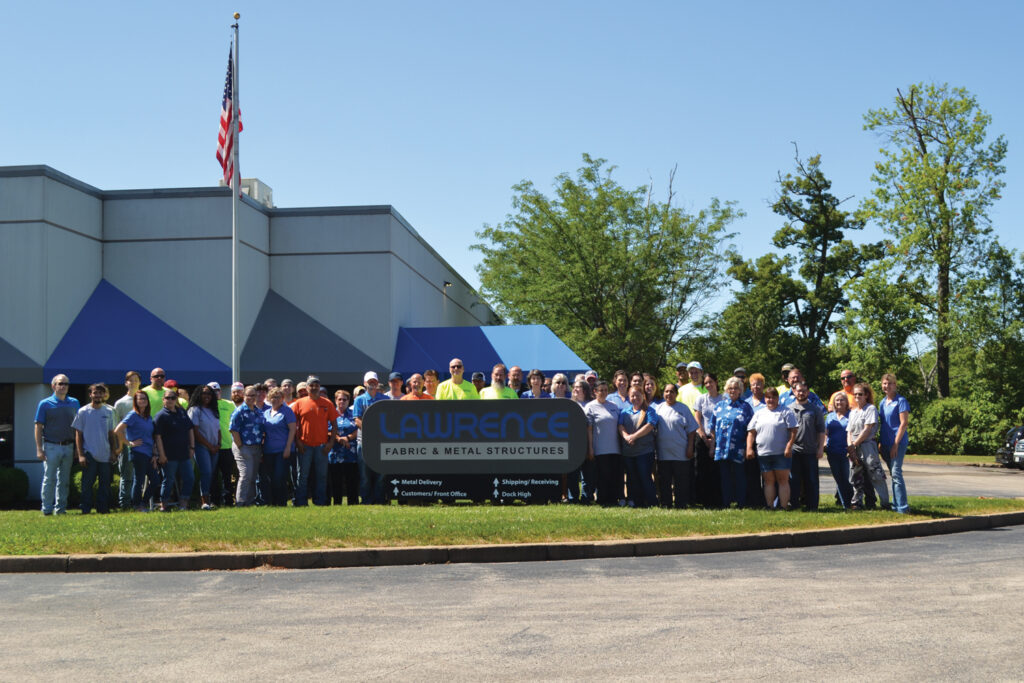
Lawrence manufactures and installs custom fabric and awnings, canopies, shade structures, and exhibit components. Owner Jerry Grimaud decided in 2014 that he wanted to retire in 2015. An owner in that situation has several options, according to Terry. “Do you sell to a competitor?” she asks. “Do you sell to private equity? Do you have a colleague or friend come in and buy it? Or possibly sell the company to future management?”
Grimaud and Mike Bowman, who was Lawrence’s vice president at the time, heard about ESOPs from a local bank that was offering classes on the topic. The more they learned, the more they liked the idea. One reason they favored an ESOP, according to Karen O’Rourke, marketing director at Lawrence, was because the plan allowed the company to reward its dedicated employees and their families.
“By selling the shares back to the employees, it was a pathway for Jerry to retire while also giving something back to the employees,” Terry says. “By becoming an ESOP, employees are able to begin accumulating wealth similar to a traditional owner, which, in turn, helps them achieve their retirement goals. This type of ownership structure helps spread the wealth amongst everyone—at least all of the employee owners—regardless of their rank and role and title.”
The ESOP also allowed Lawrence to keep its management structure intact, which was important because certain employees had been promoted and developed for specific roles in the company.
“[Grimaud] had started identifying the right people to take the helm when he retired,” says Terry. “And if you sell the company to somebody else, they may come in and say, ‘We’re going to change all the management up.’ It’s also a way to retain the company culture and the legacy knowledge.”
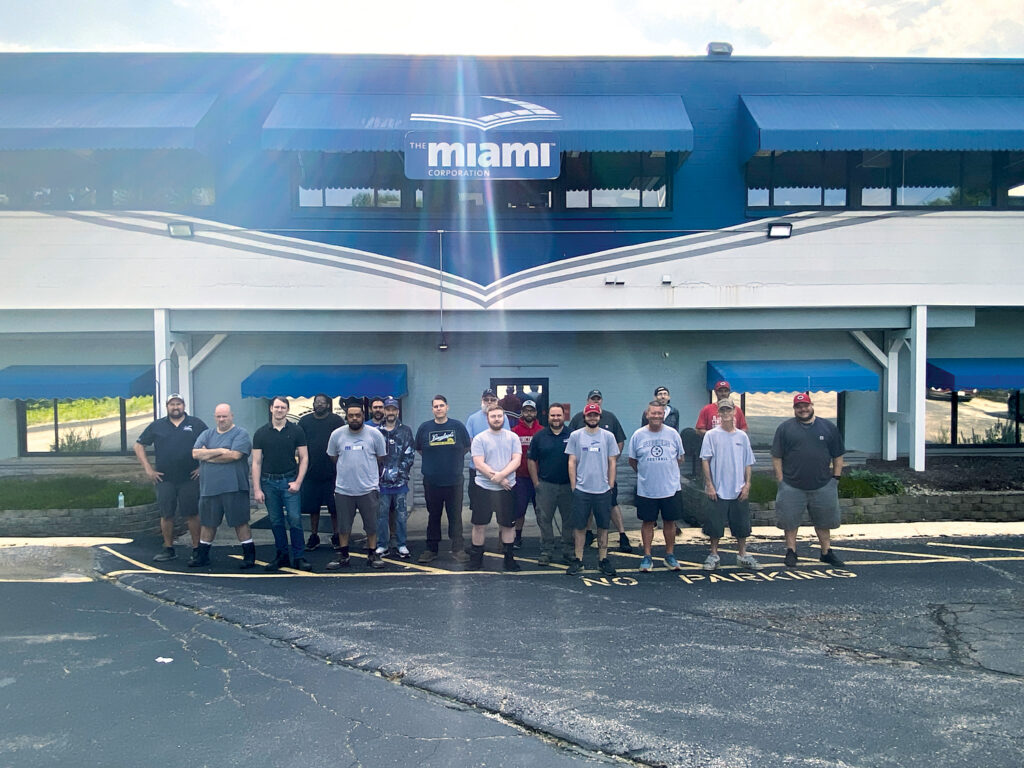
The Miami Corporation, a distributor and supplier of upholstery and outdoor fabric based in Cincinnati, Ohio, experienced a similar question around the same time. Founded in 1923, The Miami Corporation had been a family-owned business for four generations, but it became apparent that no members from the younger generation would step in to run the company.
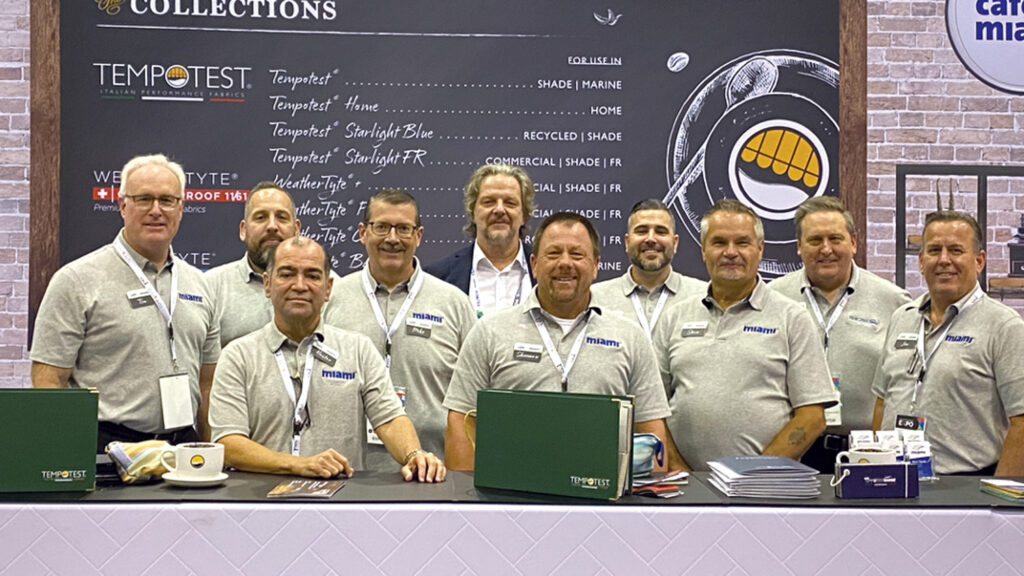
“We didn’t want to take the risk of selling it to a private equity or VC [venture capitalist] firm that might spin it in three years, and all the employees—would they have their jobs?” says Tim Niehaus, president of The Miami Corporation.
Even after eliminating a few succession options, the final decision was still open.
“We spent a lot of time looking at it,” says Niehaus. “I’d say we spent a period of at least five years trying to weigh the pros and the cons, looking at the expense of each [option] and again, keeping the business and our employees in mind with regard to what we’re doing and how we’re doing it.”
While Niehaus and other decision-makers in the company studied the pros and cons, they also relied on outside guidance. One of the resources they drew on was a family-business group at the University of Cincinnati. “We spent a good amount of time there, trying to learn from other family businesses—what they did, how they did it,” he says.
Niehaus also recommends talking to competitors. “You’re always going to have some competitors that are going to be like, ‘Nope, can’t talk to you. You’re the enemy.’ But then you’re going to have competitors that recognize the fact that, ‘OK, if I share with them, they’ll share with me, and we’ll both become better.’”
Terry also highly recommends the NCEO and The ESOP Association, aka TEA, as resources. These are the two largest national organizations dedicated to employee ownership.
Educating employees about ESOPs
Deciding to transition to an ESOP is just the first step. Management needs to educate employees about the ESOP and promote it.
“The advice that I would give is always make sure that you schedule regular communication with all the employees,” says Niehaus. That communication should include rules and regulations about the ESOP.
The Miami Corporation launched a campaign to promote the ESOP. The campaign included T-shirts with varying font colors to highlight “I am” for “I am Miami.” If someone asked about the meaning of the T-shirt, employees could respond, “‘I’m one of the owners of The Miami Corporation, and this is what I do to make it a better place, a more profitable place,’” says Niehaus.
However, this does not mean that employees are making decisions about day-to-day operations. The board of directors still runs the company, while the ESOP is represented by a legal representative who has fiscal responsibility to the stockholders.
“We try to explain to employees, ‘Yes, you are an owner, but you’re not managing the company.’ So if somebody says, ‘Well, I think everybody should get two extra weeks of PTO,’ that’s not how it works, exactly,” Terry says. “When you explain it to them as a savings or retirement benefit, and they see those real dollars in their ESOP share account, it hits home. What we try to emphasize is that this benefit is at no cost to you.
“We think if companies can afford to make it work from a cost perspective, we are all for it,” adds Terry. “I would encourage anybody to become an ESOP if it makes sense for them to do it.”
Alan Pierce is a freelance writer in Burnsville, Minn., with a background in journalism as a reporter and editor.