 TEXTILES.ORG




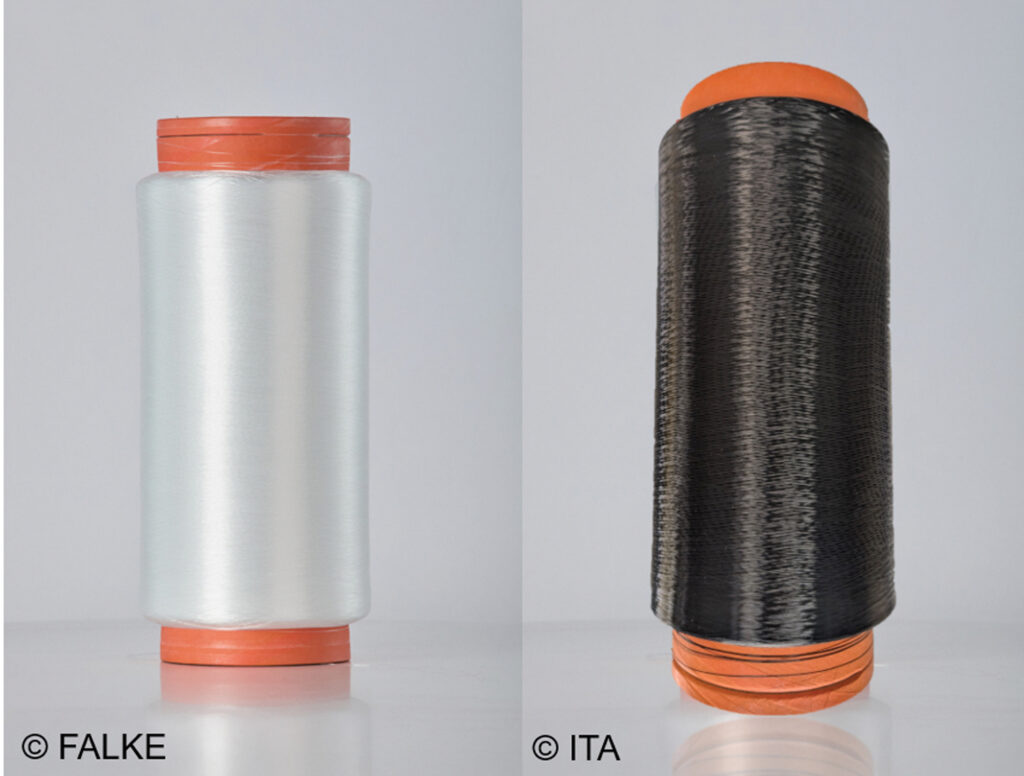
A German research project called bioPEtex aims to produce industry-ready bio-based polyethylene (PE). The challenge lies in modifying PE so it becomes compatible with established textile applications.
The project involves material development of spinnable bio-PE compounds containing bio-based color pigments by biotechnology company TECNARO Gmbh, in Ilsfeld, Germany. The Institute for Textile Technology at RWTH Aachen University and BB Engineering (BBE), Remscheid, Germany, are working on industrial-scale melt spinning and false twist texturing processes. FALKE, a hosiery/sportswear company in Schmallenberg, Germany, is running initial knitting trials.
BBE is a worldwide supplier of spinning, texturizing and recycling equipment as well as extrusion and filtration technology. Texturizing creates the subsequent haptic, functional and mechanical properties of a fiber.
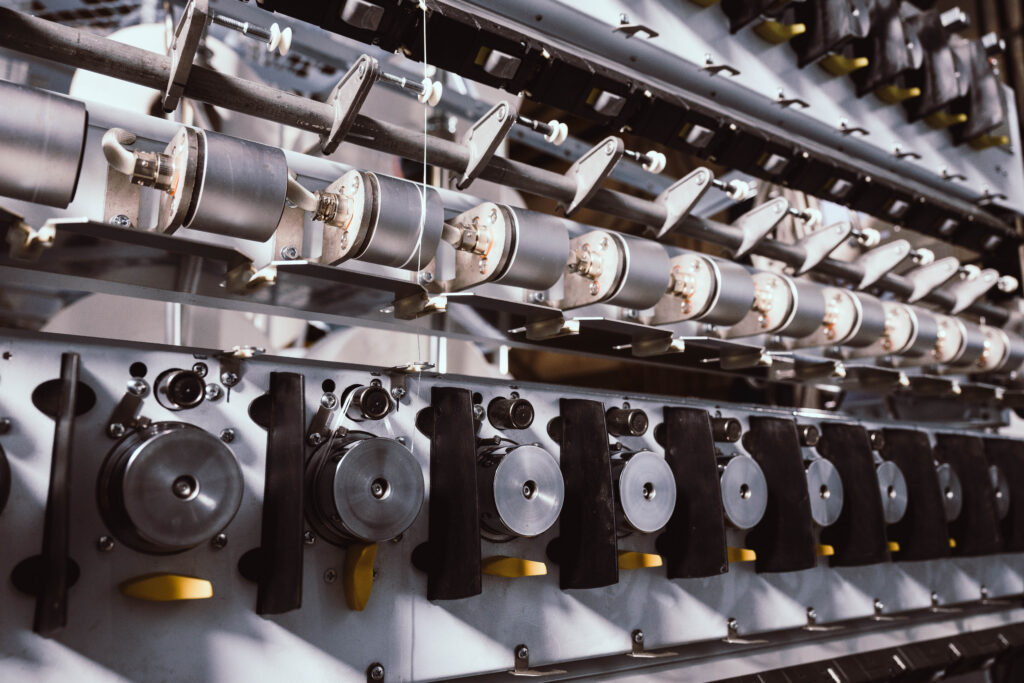
“Our many years of experience in developing chemical fiber production plants and our in-depth understanding of process management enable us to develop innovative solutions that go far beyond the current state of the art,” says Ralf Morgenroth, head of engineering texturizing at BBE.
bioPEtex also aims for a product that can be recycled at the end of its life cycle. A particular milestone in the project is the successful production of a white T-shirt, a first step toward testing marketability.
“We are very positive about the results so far,” says Klaus Schäfer, Ph.D., BBE managing director. “They show that PE has real potential in textile value creation and can offer significant economic and ecological advantages for the industry in specific applications.”
What bio-based PE could mean for textiles
PE is one of the most commonly produced polymers worldwide. Particularly durable, hydrophobic, lightweight and chemically stable, its main applications are in the packaging industry. To date, PE has played almost no role in textile fiber production, mainly due to processing challenges. PE crystallizes at low temperatures, resulting in a narrow temperature window for spinning and texturing, and it’s difficult to dye.
Today, PE is used in textiles exclusively as a functional component in composites, geosynthetics or special high-performance fibers (e.g., UHMWPE) but hardly ever in clothing or home textile segments.
PE textile fiber could become relevant for textile applications where lightweight construction, hydrophobicity and recyclability are required—for example, in sports textiles, outdoor products or technical textiles.
Bio-based PE is chemically identical to its fossil-based counterpart. The difference lies in the origin of the monomers used. Bio-based PE usually is produced from fermented sugar (e.g., sugar cane) or starch (e.g., corn).
Since the low melting point reduces the energy required for processing and (bio)PE is widely available globally, energy and material costs potentially are lower. The textile industry could benefit from the established raw material flows of the packaging and plastics industries. In addition, the introduction of PE fibers enables the development of new, highly specialized product segments and opens up additional differentiation opportunities for manufacturers through sustainable material alternatives.
Check out cutting-edge research, projects and art in the Swatches section of Specialty Fabrics Review each month.