 TEXTILES.ORG





When it comes to technical textiles, fossil-fuel-based fibers have proven themselves via performance, price and popularity, but there are signs that natural fibers once again are finding a seat at the table. Sustainable wool, cotton and bast fibers have underappreciated assets that can be exploited for technical and performance textiles.
Wool’s new opportunities
Australian Wool Innovation Ltd. is the organization behind Woolmark, the global authority on merino wool. Woolmark is at the forefront of elevating wool’s performance potential through collaborations with leading technical apparel, footwear, automotive and home furnishing partners. Sports, fitness and wellness brands that use merino wool include Salomon®, Tracksmith®, Ciele, Under Armour® and The North Face®.
Built around merino wool, the winning idea for the Woolmark Performance Challenge, Vaporate, is an advanced auxetic textile for downhill mountain-bike racing. Developed by University of Oregon Sports Product Design graduate student Chloe Burchard, the wool-blend fabric delivers support, breathability and abrasion resistance through a heat-responsive honeycomb structure that opens to enhance ventilation during exertion.
“Vaporate shows how the fiber can meet the demands of modern high-intensity sport while opening new pathways for innovation, reworking moisture-responsive auxetics to support athletes across climates and intensity,” says Julie Davies, general manager, processing innovation and education extension, Australian Wool Innovation.
Other types of wool are being applied to industrial and performance-led end uses. Volvo’s first electric car, the XC40 Recharge, features Woolmark-certified wool-blend interiors; benefits include breathability and all-season temperature management. Hainsworth Protective Fabrics has developed wool-rich firefighting outerwear, showing how wool fiber can contribute to safety, durability and comfort in demanding environments.
The North Face’s OPTIM™ merino wool jacket delivers water- and wind-resistant properties without PFAS or chemical DWR treatments. The fabric uses 16.5-micron wool fibers that are pre-stretched, spun into yarn and densely woven. When the fabric is wet-finished, the stretch in the fibers is released and the yarns contract, tightening the fabric structure.

Transformative technologies for wool and cotton
By nature of their manufacturing process, synthetic fibers are easily enhanced through tweaks in denier, cross-section, texturing or additives in the masterbatch. But natural fibers also can be manipulated to boost performance via new technologies, meeting the need for alternatives to microplastics, PFAS and permanent landfilling.
New Zealand’s Nuyarn® has found a way to upgrade the performance of merino wool fiber for knitwear and base layers. The company’s twist-free spinning technology drafts superfine merino with fine-denier nylon filament, resulting in improved elasticity, quicker dry time, increased thermoregulation at lighter weights, and improved strength and durability. Nuyarn has worked with brand partners such as Artilect, KUIU®, Odlo®, Ibex, ORTOVOX® and HOKA®.
“We’re also using the technology to rethink how stronger wool types can be used, helping turn fibers once limited to industrial applications into high-durability products like footwear liners,” says Monica Ebert, vice president of sales, North America, Nuyarn.
Until recently, the concept of “functional cotton” largely was achieved through chemical fabric finishes. SolucellAir®, a patented yarn technology developed by BYR International, takes a fundamentally different approach. It’s based on spinning cotton around Solucell®, a dissolvable filament yarn.
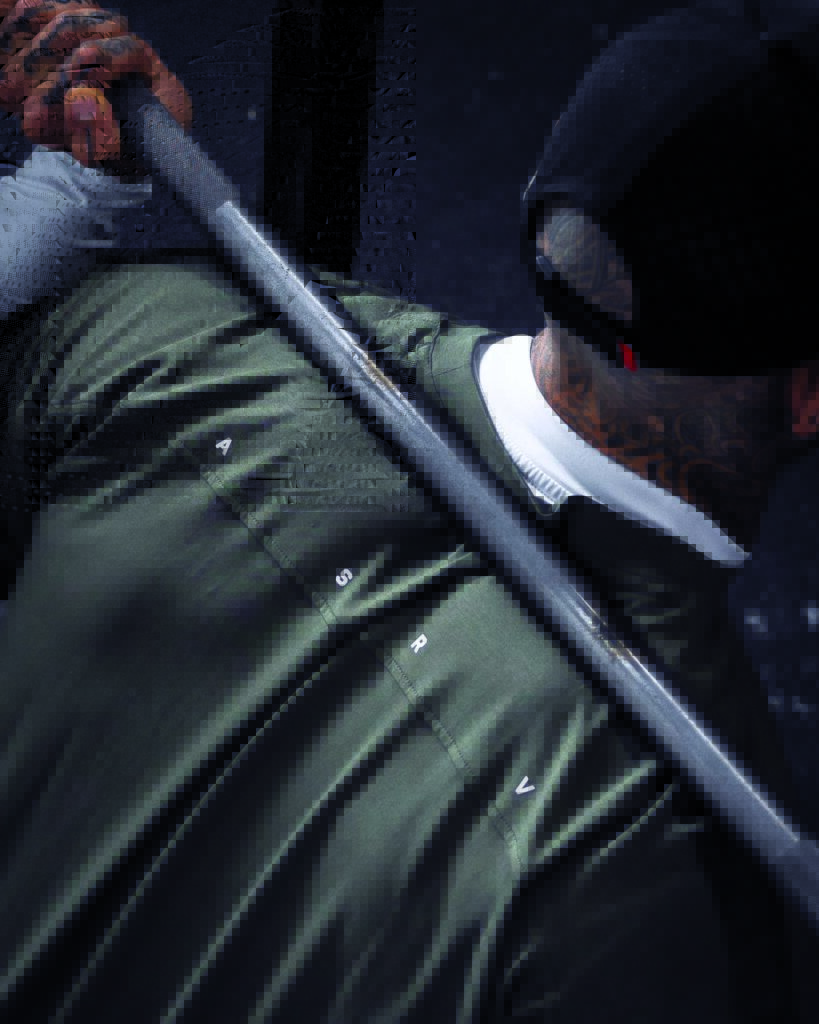
“Solucell is a proprietary material designed to easily chemically degrade in alkali conditions, ‘dissolving’ during fabric manufacturing,” says Lorenzo Rescali, director of operations, BYR International. “Initially, it was developed specifically to replace polyvinyl alcohol in the production of towels to reduce the resulting pollution, while also saving manufacturing costs. From Solucell material, we developed different technologies for home and apparel textiles, such as SolucellAir.”
Once Solucell is dissolved, the result is a three-dimensional hollow-core, 100% cotton yarn that naturally enhances performance attributes: soft touch, reduced weight, moisture management, thermoregulation and increased air permeability. This unique yarn architecture significantly improves overall garment comfort, making fabrics adaptable to a wide range of climates and activities — effectively transforming cotton into a true performance fiber, without relying on synthetic additives or chemical treatments.
Bast fibers are poised for growth
The bast fibers — hemp, flax, jute and ramie — have a long history of usefulness in apparel and industrial textiles. Easy to grow but difficult to process, they are eco-friendly and biodegradable, requiring less water and fewer pesticides, sequestering CO2 and promoting soil remediation. They are strong, absorbent, breathable and nontoxic.
An excellent insulator, hemp is a useful alternative to fossil-fuel-based polymers; it’s antimicrobial and resistant to mold, mildew and UV radiation. But for decades following the 1937 Marijuana Tax Act, growing and processing industrial hemp in the United States was illegal. Finally recognizing that hemp contains only very low levels of the psychoactive compound THC, the U.S. government legalized the cultivation of industrial hemp under the 2018 Farm Bill.
The infrastructure for growing, processing and marketing hemp fiber in the U.S. is making a slow but steady comeback. Texas-based Panda Biotech LLC is at the forefront of the made-in-America hemp renaissance. The 500,000-square-foot Panda Hemp Gin, capable of processing 22,000 pounds of hemp straw per hour, opened in Wichita Falls in 2024 in an equity partnership with the Southern Ute Indian Tribe Growth Fund.
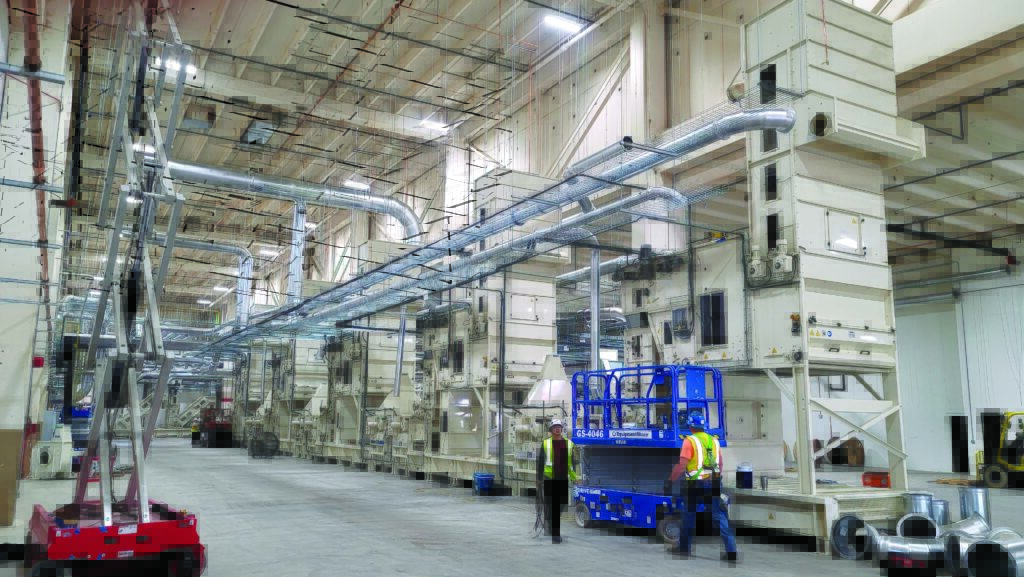
Using American-grown feedstock, Panda produces premium textile-grade and nonwoven-grade fiber via a proprietary decortication technology, also processing hurds, micronized hemp and a short-fiber/hurds mix designed to serve a wide range of textiles, construction, bioplastics, transportation and nonwovens applications.
Cottonization, a relatively new process, makes hemp suitable for spinning into textile yarns or spun-lace nonwovens for wipes and hygienic products. The ability to drop hemp fiber into cotton spinning systems clears a major hurdle. Panda’s cottonized hemp fiber has successfully run on existing spinning systems around the world.
“We’re operating in a world where textiles are expected to … perform better, last longer and meet higher environmental standards,” points out Dixie Carter, president, Panda Biotech. “Natural fibers like hemp are uniquely positioned to meet that moment.”
Globally, China is one of the largest hemp fabric producers, accounting for approximately 70% of the world’s hemp fabric. According to Grand View Research, the global hemp fiber market size was estimated at $379.5 million in 2024 and is projected to reach $1.99 billion by 2033, growing at a compound annual growth rate of 20.4% from 2025 to 2033.
Beyond linen: technical flax

While flax has long been cultivated for linen, particularly in Europe, Swiss company Bcomp is exploiting its technical side.
Bcomp’s ampliTex™ technical fabrics and powerRibs™ reinforcements replace plastic-based and carbon fiber components in automobiles, mass-transportation applications, boats, recreational equipment and large infrastructure, with CO2-neutral composites made from European flax. In the automotive sector, the company is partnering with Polestar, Porsche, Kia Corporation and BMW Group.
Bcomp and BMW Group’s collaboration, “BMW M Natural Fiber Composites,” won first prize in the category “Automotive & Road Transportation, Parts” at the 2026 JEC Composites Innovation Awards.
While the use of natural fibers in technical and performance textiles currently comes at a price, growth of the supply chain and manufacturing infrastructure could see improved price parity with synthetics, especially if disruption in the oil market continues.
Debra Cobb is a freelance writer with expertise in the textile industry. She is based in Greensboro, N.C.