 TEXTILES.ORG




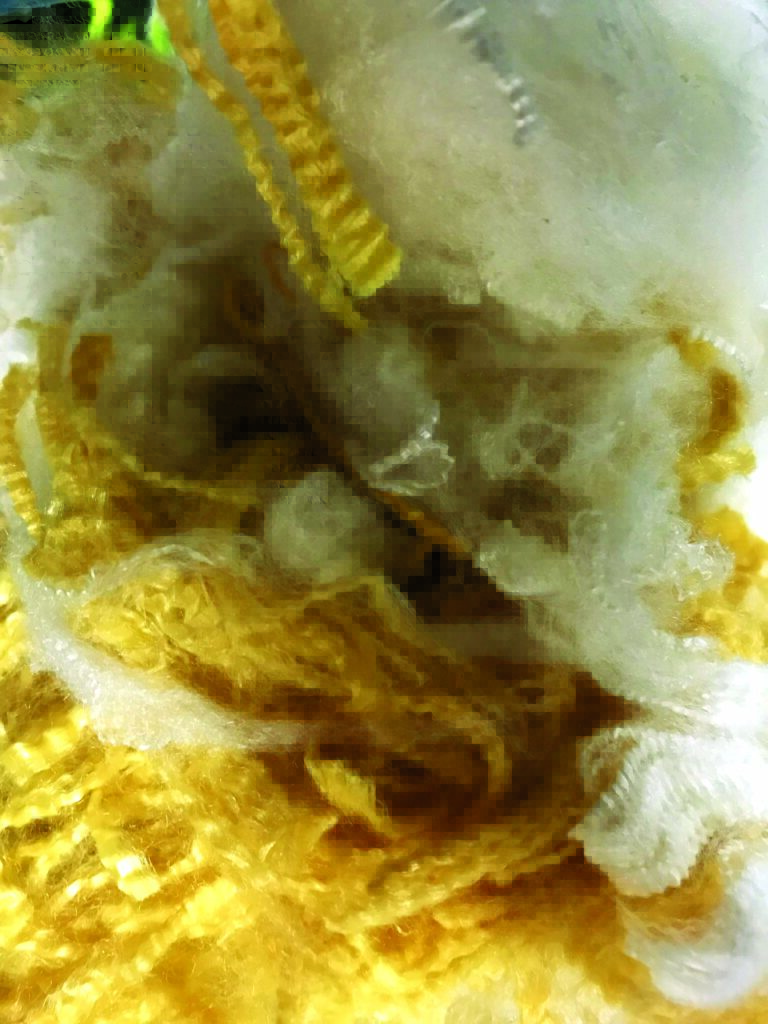
Recycling textiles is a formidable challenge being researched around the world. But when the materials have been designed to be the toughest, strongest, most durable materials out there, made to protect people’s lives, the task of trying to recycle them is next level. Even though textile recycling and sustainability regulations worldwide have carved out exceptions for protective apparel, the industry still is working on ways to recapture and reuse high-value meta-aramids and para-aramids.
Specialty Fabrics Review spoke with industry leaders about work in this area and the challenges (and opportunities) ahead, including Arclin, headquartered in Alpharetta, Ga., and General Recycled, in Val-des-Sources, Que., Canada. Arclin recently purchased the aramids division from DuPont, the inventor of Kevlar® and Nomex®. General Recycled, established in 2012, shreds aramid materials, blends and respins them, supplying the resulting fibers, with recycled content, to its customers’ preferred yarn spinner or fabric supplier.
The crux of the challenge
As with other postconsumer textile recycling, it’s the sorting and deconstruction of the end product that poses the most difficulty to streamline, especially where it has to be done manually. “The challenge becomes more pronounced as construction complexity increases,” says Teong Tan, chief research officer at Arclin. “Multilayer systems — such as those used in protective garments — often include membranes, barrier layers, coatings and trims. Each added component introduces another level of difficulty in dismantling, sorting and purification.”
In fact, the design of an item and how it is constructed can have an outsized impact on its recyclability, even more than the fiber chemistry, he says. Designing with deconstruction in mind and using monomaterials or alternative finishes can help.
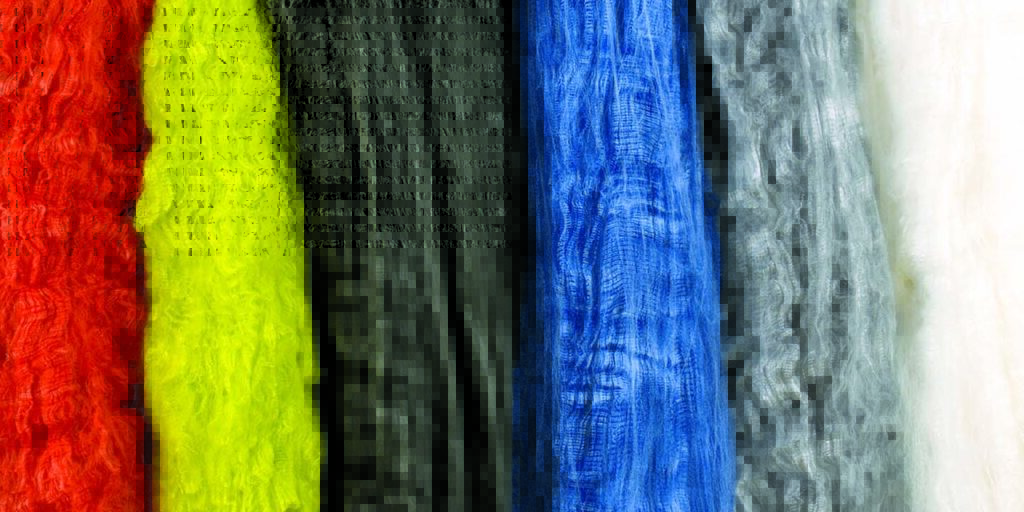
“Small decisions at the design stage can have a substantial impact on the feasibility, cost and environmental footprint of recycling at scale,” Tan says.
Meta-aramids, he notes, “are generally more compatible with existing textile recycling systems and can be mechanically processed with relatively minor adaptations.” Para-aramids were made to be tough and can even cause increased wear on processing equipment.
The next uses
In some cases, such as with composites in aircraft components or tires, downcycling or repurposing the items may be the better option, especially if separation of materials isn’t technically or economically feasible. But textile-to-textile shows promise.
“We’re starting to look across our platforms for opportunities to enable recycling into new applications, and we’re excited about the possibilities there,” Tan says, noting that the company is conducting postconsumer recycling pilots with end users and garment manufacturers for a material that blends Nomex fibers with postindustrial recycled content. “Establishing secondary applications is essential, and we are working with recycling partners to identify and scale practical repurposing routes.”
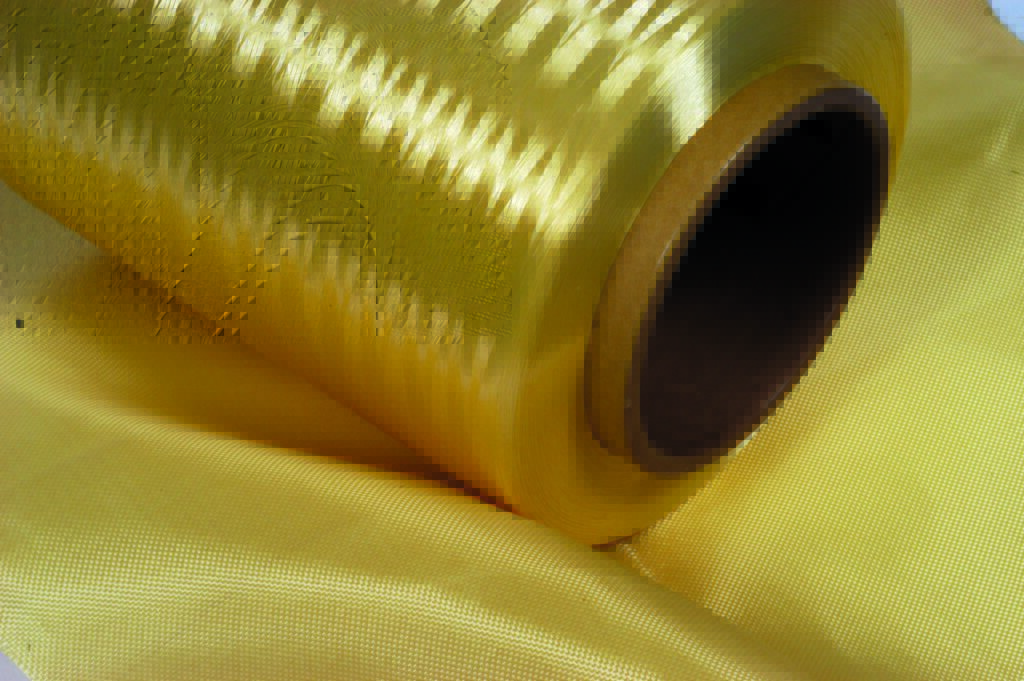
He offers examples of uses, such as nonwovens and “reinforcement materials or other industrial applications where fiber length and uniformity are less critical but strength, thermal resistance and durability still provide value.”
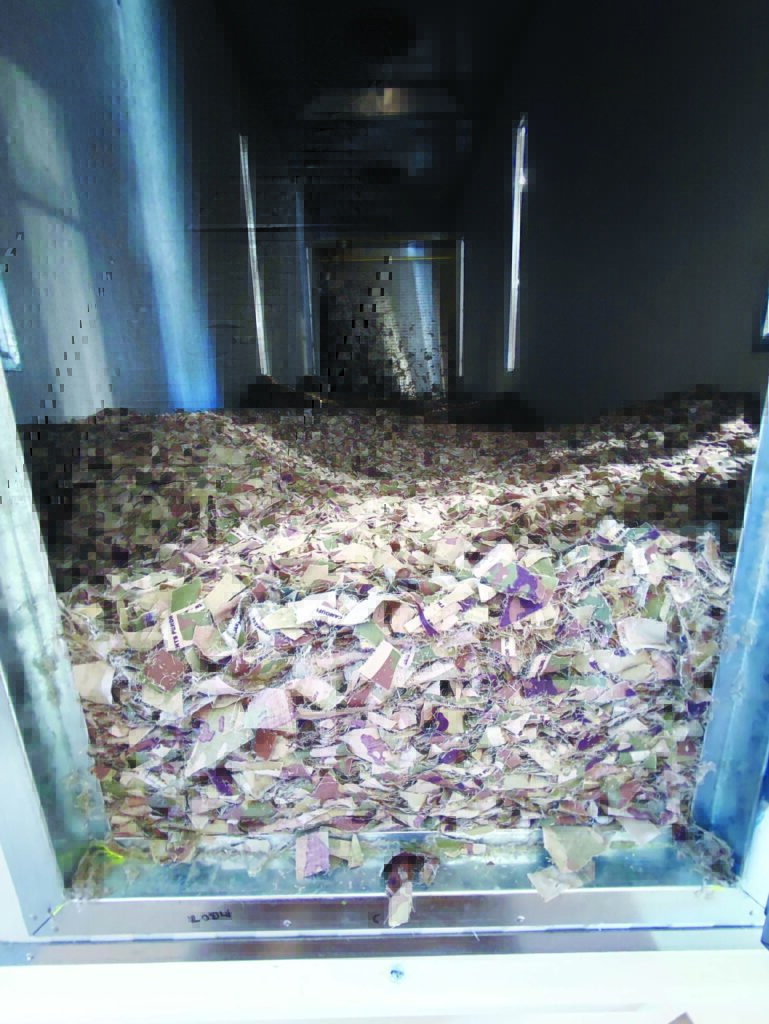
At General Recycled, the company works with its customers to take gear that has reached the end of its useful life — as well as pre-consumer scrap from an end user’s garment manufacturer — to create new fibers and fabrics, blending 20%, 33% or even 50% of the fiber from the recycled material, depending on the end use and desired yarn count. It can then send that fiber directly to where the client needs it in its supply chain, whether that’s the yarn spinner, fabric producer or garment manufacturer.
The company doesn’t take in items without an end market for the recycled result. The proper blend and composition of the end material is targeted from the start because the end use for the recycled material is established at the beginning of the process.
“Recycled aramid fibers will never be as strong as virgin fibers,” says Dave Kasper, vice president, sales and product development at General Recycled. “However, once we blend the recycled fibers with virgin aramid fibers, the difference is minimal and certainly has no bearing on how the fabric with recycled content performs to the standards. In fact, when it comes to thermal insulation protection and flash-fire body burn protection, garments with recycled aramids perform better than virgin fabrics.”
Materials with recycled content are third-party tested to ensure they still meet performance standards customers require. “Because many aramid applications are safety-critical, there is limited tolerance for variability,” Tan says.
Traceability
Knowing the exact blend of the material going into a recycling stream is one challenge facing postconsumer textile recycling in general. For protective gear, the conditions of its service life also affect its recyclability. This is why knowing exactly where a garment came from is paramount in being able to recycle it.
“To evaluate whether a material can enter the recycling stream, it is important to understand its usage history, including the type and extent of exposure as well as how it has been maintained over time,” Tan says. “This is where partnerships across the value chain become critical. For example, rental laundries can play an important role by offering documented cleaning and maintenance histories, enabling better screening and decision-making prior to recycling.”

Traceability is key also because knowledge of the exact fiber content is required to create the next end use. “The blend we put into the machine is what will come out in bale form on the back side,” Kasper says. “We will always know what the blend is prior to shredding because we know our customer and know what garment type they are using. That said, all garments are inspected lot by lot. We do not blend garments from one company to another. [We have] strict control on that.”
Garments too heavily contaminated with stains, paint, silicone or PFAS-containing firefighting foam may be beyond the ability to be recycled. “Establishing clear acceptance criteria is essential,” Tan says.
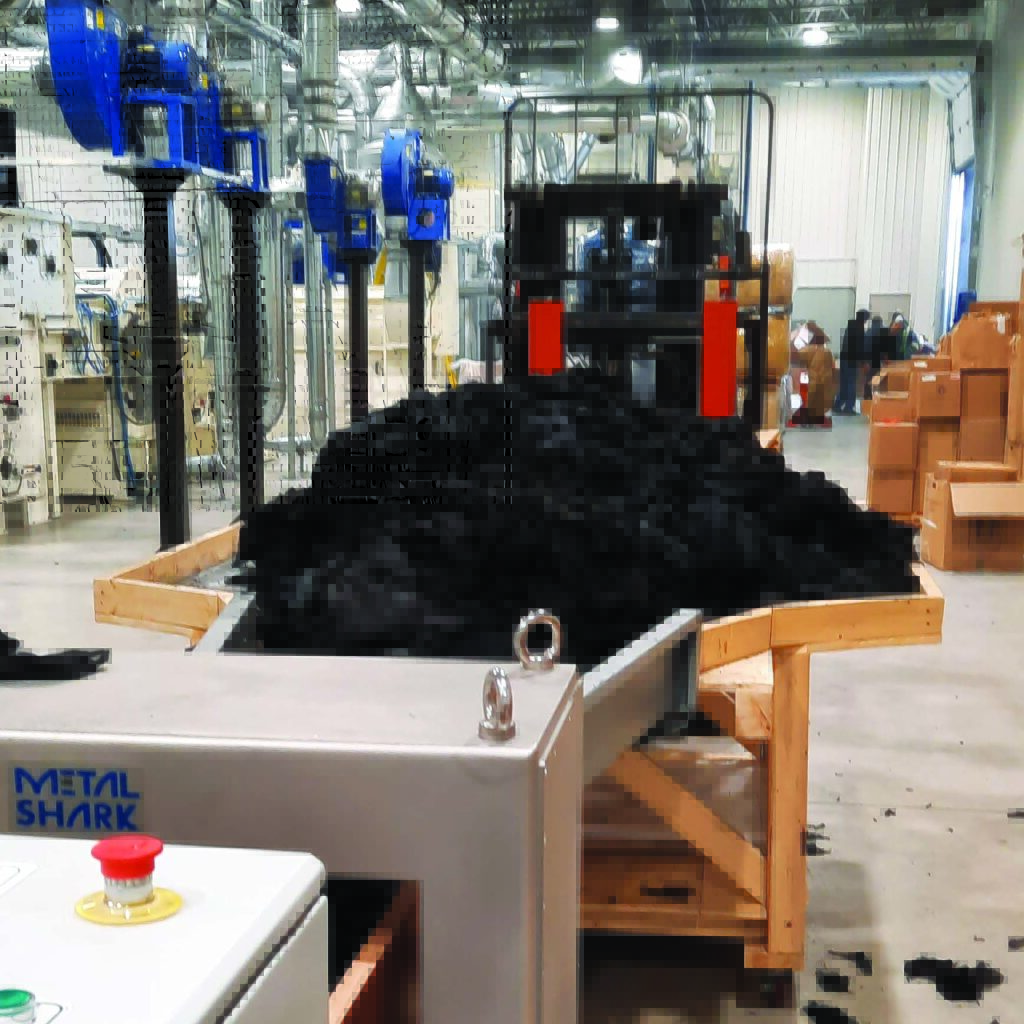
R&D into removing PFAS-containing finishes from garments is ongoing in the industry and the need is real, as there’s the potential changeout of a couple million of sets of turnout gear in North America in the next five to seven years, estimates Kasper. “That equates to 35 million pounds of PFAS-contaminated FR product. Add in the cutting waste from the manufacturers, and you reach 45 million pounds of 100% nonbiodegradable nor incinerable PFAS-contaminated material. If we can remove the PFAS, we can recycle that material.” The company’s science team is working on a treatment to remove that PFAS. “We are at lab scale, and the results were very promising. … Not giving up just yet!”
The economics
Since the aramids are a high-value product, being able to reclaim these fibers may make economic sense, and the cost theoretically should come down as textile recycling infrastructure and processes become more standardized. Spikes in petrochemical costs make recycled look better on the balance sheet as well.
When discussing its services to customers, General Recycled identifies the overhead costs associated with garment disposal, which includes the cleaning of any hydrocarbon contamination, transportation and landfill charges. “We redirect those costs into the recycled program,” Kasper says, “and once garments come back to them with recycled content in the blend, not only have we solved their disposal problem, the recycled aramid fiber content in the new fabric is significantly cheaper, and therefore there are savings to be had.”
The future
Even if regulations don’t require protective gear to be recycled, many companies or institutional buyers look for ways to incorporate sustainability into their procurement. And research continues to advance.
“Over the next five years, we expect aramid recycling to make meaningful progress — particularly in scaling mechanical recycling and improving postconsumer recovery systems,” Tan says, with pilot programs transitioning to semicommercial models. “However, the pace of advancement will depend less on breakthroughs in fiber processing and more on progress across the entire value chain, including collection, sorting, decontamination and logistics. These upstream elements will ultimately determine how much material can realistically be recovered and reused.”

Arclin is exploring take-back programs in its defense segment for ballistic protection products, Tan says. “These programs are designed not only to recover material value but also to ensure secure handling and traceability.”
Because the company has a presence in many different industries, he considers the company “well-positioned to connect supply and demand across sectors, enabling broader adoption of recycled aramid materials even when closed-loop solutions are not yet fully achievable.”
“The biggest bottleneck is getting companies and/or governments to properly dispose of this nonbiodegradable waste stream,” Kasper says. “Everyone wants to recycle — until they find out it costs them money, that is! But we have proven the economics works with recycling aramids, which is not necessarily the case when it comes to cotton/poly or poly garments, for example.”
He does foresee growth for aramids globally, enabling room for recycled product. “In the non-FR marketplace — fast fashion — it is hard to see an easy answer,” he says. “The economics just simply don’t make sense. With aramids, it’s exactly the opposite.”
Cathy Jones is the senior editor of Specialty Fabrics Review and can be reached at cathy.jones@textiles.org. She acknowledges Eve Lamb for conducting one of the interviews that supported the development of this article.
Stay on top of news in your market areas with the Advanced Textiles Association publications that you receive with your association membership.